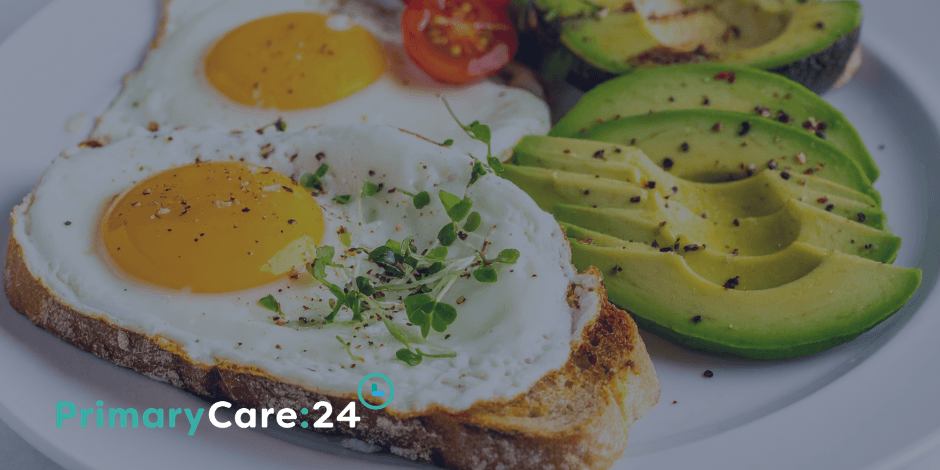
Eating a healthy breakfast doesn’t have to be expensive. With a few simple ingredients, you can make filling, nutritious breakfasts that are easy on your wallet and your time. These recipes are perfect for busy days and preparing for the back-to-school runs.
If you are fancying a sweet or savoury option, we have a range of recipes for you. Whether you’re trying to save money, eat healthier, or simply want some fresh breakfast inspiration, these six ideas are a great place to start.
Porridge with banana, blueberries, and nut nutter
Porridge is one of the cheapest and most filling breakfasts you can make. Oats provide fibre and slow-release carbohydrates. Adding different toppings each time will provide different nutrients your body needs, making it a versatile breakfast option.
What you’ll need:
- 50g porridge oats
- 200ml of your chosen milk or water
- 1 banana
- Handful of blueberries
- 1 teaspoon of your favourite nut butter
- A pinch of cinnamon
How to prepare:
Cook the oats with milk or water, add in desired amount of cinnamon, and then top with sliced banana, a handful of blueberries and your nut butter of choice.
Why these ingredients?
Oats support heart health, stabilizes blood sugar, aids digestion, and helps with weight management due to their rich fibre, nutrient, and antioxidant content.
The milk you choose to use will have a different benefit to your health. Cow’s milk offers the highest amounts of calcium; however, dairy free milk is a great alternative for those who cannot have dairy or are sensitive to it. It is always best to check which option suits your own health choices. You can read more about this here.
Bananas are rich in potassium, fibre, vitamins (like B6 and C), and antioxidants, while being low in fat and protein.
Blueberries are bursting with antioxidants and among the most nutrient dense berries providing fibre, vitamin c, and vitamin k.
Nut butter adds healthy fats to your breakfast and therefore ticks off all components needed for a healthy rounded breakfast. Also, adding nut butter makes your porridge more satiating and keeps you fuller for longer.
Cinnamon not only adds a flavour boost to your porridge but together, oats and cinnamon may help maintain steadier energy levels and reduce post meal spikes.
Money saving tip: Buy a larger bag of oats which can be used for other recipes / meals and use seasonal fruit to keep the cost down.
Eggs on wholemeal or sourdough toast
Eggs are an affordable source of protein and make a simple, satisfying breakfast. They are also great for on-the-go snacks and have many health benefits.
What you’ll need:
- 2 eggs
- 1–2 slices of wholemeal / sourdough bread
- A handful of spinach or a tomato, optional
- Avocado (optional)
- Black pepper
- Salt
How to prepare:
Scramble, soft boil or poach the eggs and toast your bread of choice. Add the spinach and/or sliced tomato for extra vegetables and mash a quarter of the avocado. Sprinkle with salt and pepper for added taste.
Why these ingredients?
Eggs contain all nine essential amino acids, making them a complete protein source. They also support muscle repair, growth, and maintenance, and are particularly beneficial when consumed in the morning to keep you fuller for longer and reduce overall calorie intake throughout the day.
Wholemeal bread is a nutrient-dense, fibre-rich option that benefits digestion, heart health, blood sugar control, weight management, and overall metabolic and cognitive health, making it a superior choice over refined white bread.
Sourdough bread offers improved digestion, better nutrient absorption, lower blood sugar spikes, and antioxidant support compared to conventional bread. The choice between wholemeal and sourdough is down to preference and what health benefits you wish to achieve – either are great options.
Spinach is a nutrient-dense leafy green that supports eye, bone, heart, brain, and overall health due to its rich vitamins, minerals, and antioxidants. Ensure you pair iron rich foods with vitamin C to enhance absorption, such as juice from a lemon or some berries.
Tomatoes are low in calories and high in water content (about 95%), making them hydrating and nutrient dense. They are rich in vitamins C, A, K, and B-complex, potassium, folate, and fibre, which all contribute to overall health.
Avocado’s unique mix of healthy fats, fibre, and micronutrients makes it a versatile, evidence backed food for heart, gut, and metabolic health when eaten regularly in moderation.
Money saving tip: Batch-cooking your eggs and storing them in an airtight container not only saves money by eliminating the need to use the stove or microwave daily, but also saves you time.
Overnight oats
If your mornings are busy, overnight oats may be the option for you. They can be prepared the night before and kept in the fridge. All the preparation is done the night before, so they are ready to eat on the go.
What you’ll need:
- 50g oats
- 100–150ml of your chosen milk
- 2 tablespoons Greek or natural yoghurt
- 1 banana or a handful of frozen berries
- 1 teaspoon of your favourite nut butter
How to prepare:
Mix everything together in a container, cover and refrigerate overnight. In the morning, your breakfast is ready to eat.
Why these ingredients?
Greek and natural yoghurt contain live probiotics which help maintain a healthy gut microbiome. Keeping your gut healthy is essential to ensure the rest of your body functions properly.
Frozen berries provide antioxidant protection, support heart and brain health, aid digestion, and help with weight management, all while offering convenience and year-round availability.
Money saving tip: Frozen berries can be a more reasonable alternative to fresh berries and they keep for longer.
Beans on wholemeal or sourdough toast
Beans on toast is a classic budget breakfast for good reason. It’s inexpensive, filling, and provides fibre and protein.
What you’ll need:
- 1 slice or 2 of wholemeal / sourdough bread
- ½–1 tin of baked beans
- Sprinkle of chives or parsley
- Black pepper
How to prepare:
Heat the beans in a saucepan or microwave and serve them over the toasted bread. Add a sprinkle of chopped chives or parsley and season with black pepper.
Why these ingredients?
Baked beans are low in fat, high in fibre and rich in plant-based protein, vitamins, and minerals, making them a nutrient-dense breakfast staple. They also count to one of your 5-a-day portion.
Chives and parsley are nutrient-rich herbs that support heart health, bone strength, immunity, cognitive function, and may help prevent certain cancers. A simple ingredient to top your breakfast with and give an extra healthy boost!
Money saving tip: The bread you used earlier for eggs on toast can be used for this recipe, making it a multipurpose ingredient on your shopping list.
Growing your own herbs at home instead of buying them packaged at the supermarket is a great way to keep costs down and means you always have them to hand.
Yoghurt and fruit
This is a simple breakfast that requires no cooking, meaning you can make a super-fast, healthy, and nutritional breakfast in under 10 minutes. You can switch up the fruit to make it just how you like it.
What you’ll need:
- 100g Greek or natural yoghurt
- 1 banana or seasonal fruit of choice
- 1 teaspoon of your favourite nut butter
- A small handful of nuts or seeds, optional
How to prepare:
Put all ingredients into a bowl. You can either present it all nicely or mix it all together to get the perfect spoonful of ingredients every time.
Why these ingredients?
Seasonal fruits are harvested at their natural peak, which means they are richer in vitamins, minerals, and antioxidants compared to out-of-season produce that may be picked early and stored for long periods.
Plain, unsalted nuts and seeds can deliver significant health benefits when eaten in moderation.
Money saving tip: Larger tubs of yoghurt are often better value than individual pots and can be used for other meals.
Breakfast wrap
A breakfast wrap is a great way to use up leftover vegetables while creating something filling and tasty. You can switch the ingredients each time and have endless combinations.
What you’ll need:
- 1 wholemeal wrap
- 1–2 eggs
- A handful of spinach
- Tomato or leftover vegetables
- A little grated cheese, optional
How to prepare:
Scramble the eggs and add them to the wrap with your vegetables and cheese. Fold it up and enjoy straight away or wrap in some reusable wrapping to have later.
Why these ingredients?
Wholemeal wraps are made from whole grains, providing higher fibre content, complex carbohydrates, and moderate protein compared to refined wraps.
When stored and reheated properly, cooked vegetables keep most of their fibre, vitamins, and minerals and doing this helps reduce food waste, whilst also saving money and time.
The calcium and protein in cheese helps to strengthen bones and prevent osteoporosis, while vitamins A, D, and K contribute to bone density and overall skeletal health.
Money saving tip: You can also add leftover beans or protein sources such as tofu, chicken, and chickpeas if you have them in the fridge, to help minimise waste and pack the wrap with more nutrients.
Budget-friendly breakfast shopping list
You don’t need a huge number of ingredients to make all six of these delicious breakfasts. A basic weekly food shop could include:
Store cupboard
- Porridge oats
- Nut butter of choice (peanut, cashew, almond, hazelnut etc)
- A tin of baked beans
- Cinnamon
- Black pepper
- Salt
- Nuts or seeds or choice (pumpkin, sunflower, almonds, brazil etc)
Fridge
- 6 pack of eggs
- Milk of your choice (cows, goat, almond, coconut, oat etc)
- Greek or natural yoghurt
- Wholemeal or sourdough bread
- Wholemeal wraps
- Small block of cheese
- Chives or parsley
Fruits and vegetables
- Bananas
- Seasonal fruit
- Frozen berries
- Spinach
- Tomatoes
- Avocado
- Other vegetables you enjoy
The ingredients that are left over, such as eggs and wraps, can then be used for other meals throughout the week.
Enjoy your new breakfast ideas
A healthy breakfast can be simple, filling, and affordable. You don’t need expensive ingredients or complicated recipes to start the day well. Sometimes the simple foods can be the most effective.
By keeping a few versatile staples in your kitchen, such as oats, eggs, beans, wholemeal or sourdough bread and yoghurt, you can create plenty of different breakfasts without your food shop costing a fortune. The key is to plan ahead, shop wisely and make the most of the ingredients you already have.
Stay tuned for our healthy budget friendly lunch and dinner blogs coming soon. You can access them here.